You may have seen recent news from Iran: mass protests openly calling for regime change. If you are not Iranian, this may sound puzzling. Iran experienced a radical Islamic revolution less than fifty years ago. Why would people demand another fundamental transformation so soon?
The picture becomes even more striking when you look at the protests themselves. Many demonstrators carry images of the former royal family—the monarchy overthrown in 1979. Large crowds openly call for the return of the last Shah’s son. Even more surprising to outside observers, protesters often carry U.S. and Israeli flags—symbols of countries that the Islamic Republic has spent decades denouncing with official chants of “Death to America” and “Death to Israel”.
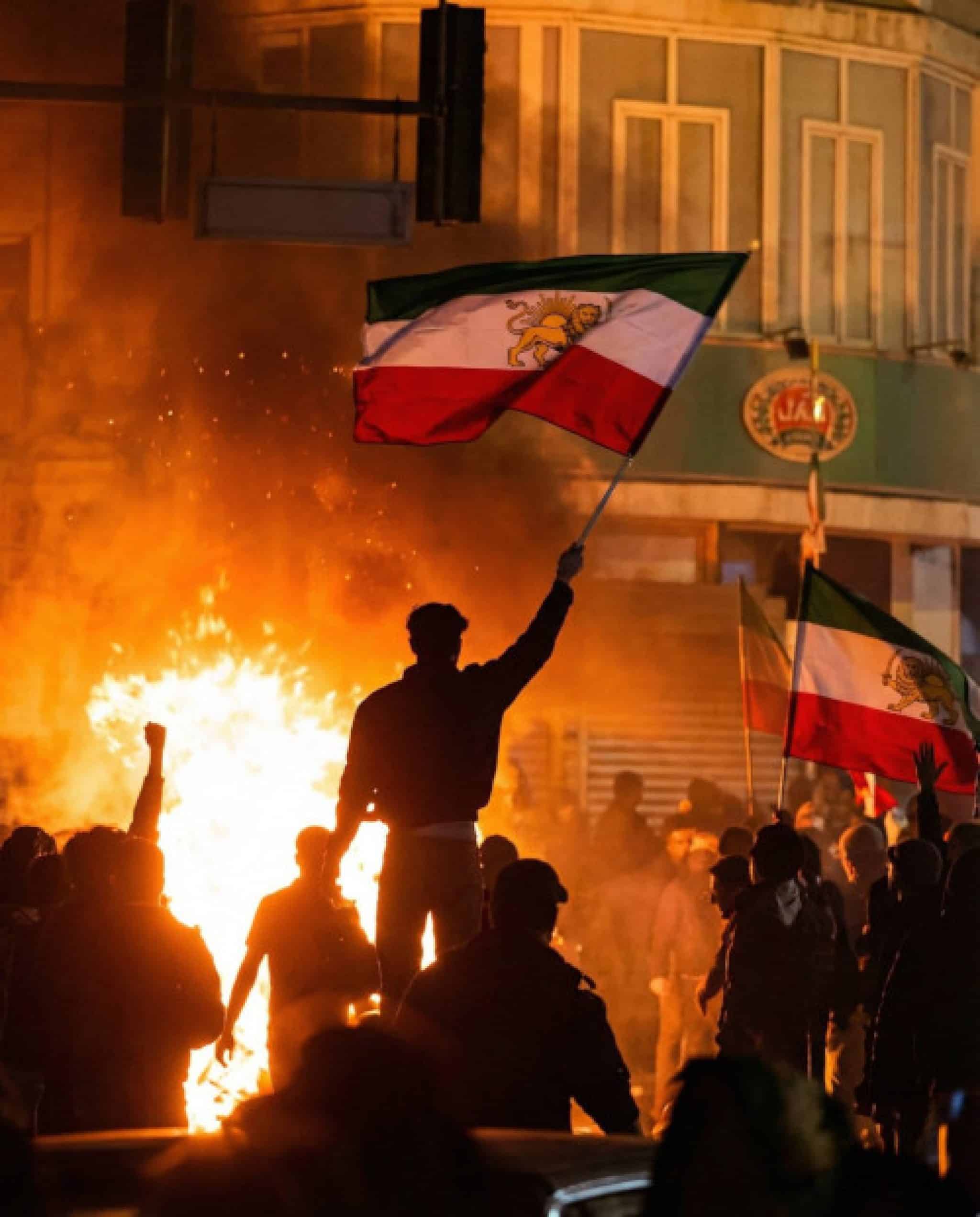
So what happened?
This is not a detailed historical essay. The goal is to highlight core facts and explain why they matter beyond Iran.
Iran has existed as a kingdom for more than 2,500 years. Kingship and the crown were central cultural institutions in Persia, interrupted only during periods of foreign invasion—most notably by Alexander the Great, the Mongols, and the Arab Muslim conquests. Even then, Iran eventually returned to monarchic rule. Dynasties often lasted centuries and were sometimes replaced by others due to internal conflict or reform.
Around 200 years ago, inspired by European political movements, Iranians began pushing to limit royal power and establish a constitutional monarchy. Roughly 70 years ago, a coalition of Islamist groups and Marxist-leftist movements united to abolish the monarchy altogether and replace it with a republic. Many warned that this would lead to repression, isolation, and economic collapse. Those warnings were ignored. The Shah, unwilling to rule through mass violence, left the country.
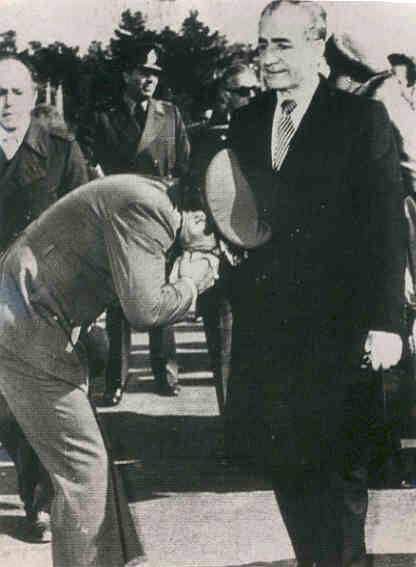
What followed was not pluralism. The Islamists, initially one faction within the coalition, seized total control. They eliminated monarchists, executed former allies on the left, and imposed an Islamic state. Since then, Iranians have lived under systematic repression: loss of free speech, economic decline, restrictions on dress and personal life, and state-sponsored hatred toward the West and the Jewish community. The regime has actively pursued destabilization abroad through terrorism and intimidation.
The extent of the regime’s organized hostility is often underestimated. For example, during one of the recent protests, the government imposed nationwide internet blackouts. At the same time, UK analysts observed that numerous X accounts promoting Scottish independence suddenly fell silent, suggesting they were operated from within Iran [link]. This pattern later contributed to greater platform transparency regarding account locations. Notably, many accounts defending the regime were labeled as “Iran”, despite the fact that ordinary Iranians are legally barred from accessing these platforms without VPNs. The result was a clear exposure of a system using a restricted, apartheid-style internet to project influence abroad while denying its own citizens access to the same global platforms.
This connects directly to audiences in Western countries.
You may have seen individuals living freely in democracies while actively promoting Islamic Republic propaganda. This is not new. The original coalition that overthrew the monarchy was built on shared hostility toward liberal democracy, free speech, Israel, and the United States. That alliance—between Islamist extremism and parts of the radical left—still exists.
The Islamic regime has killed tens of thousands of unarmed civilians during protests. These deaths rarely receive sustained attention from the same activists who mobilize loudly for other causes. At the same time, thousands of Iranians march every weekend in Sydney’s CBD and other cities against the regime, with minimal media coverage. This pattern is not new, and Iranians recognize it well. Even the “Woman–Life–Freedom” movement received limited support from some self-described feminist groups, largely because supporting the movement would have meant confronting their preferred ally: the Islamic Republic.
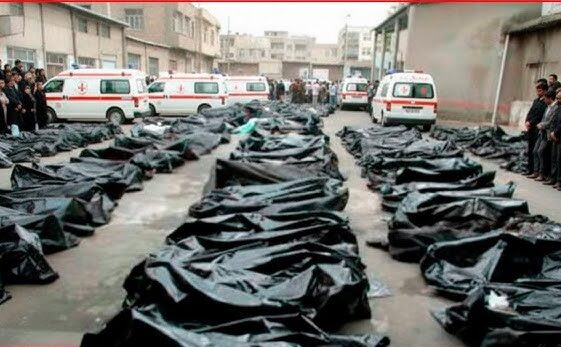
This silence matters. Australia officially acknowledged that the Iranian regime orchestrated the burning of a Jewish restaurant in Melbourne, leading to the expulsion of Iranian diplomats [link]. Not long after, the Bondi terror attack shocked Sydney [link]. These events are not isolated.
The Shah once said the monarchy fell because of the “silent majority”. That remains true. Most people lived their lives and assumed their values were secure. They did not confront movements that openly sought to dismantle them.
It is alarming to see people burn the Australian flag on Australia Day while remaining silent about mass repression in Iran, or while excusing antisemitism under ideological slogans. History shows what happens when societies ignore early warning signs. Iran has already lived through that collapse.
Iranians today are not asking for sympathy. They are issuing a warning. They recognize the patterns—from neo-Nazis to Marxist extremists, from Islamists to jihadists—that fracture societies from within. They have seen this story before.
Ignoring it does not make it disappear.